Need Help Right Now?
Call 911 immediately if someone collapses, has a seizure, has trouble breathing, or cannot be awakened. Chest pain or immediate danger to yourself or others also warrants emergency help. Don’t assume a serious symptom is simply anxiety.
For a bad reaction or uncertainty about what you took, call U.S. Poison Control at 1-800-222-1222. You can call before symptoms become severe. Guidance is free and confidential. If an emergency is happening, stop reading and call 911.
Poison Control’s first aid guidance explains the emergency warning signs.
What to Say When You Call
If you’re nervous about calling, keep it simple: “I used cannabis, I’m feeling unwell, and I need advice. This is what I took, and this is when I took it.” That is enough to start the conversation.
Tell the specialist what symptoms you’re experiencing. Answer questions about other medicines and substances honestly. Don’t downplay what happened because you feel embarrassed, and don’t guess when you don’t know. Put the phone on speaker if a sober friend is helping.
Follow the instructions you receive, including whether to stay home or seek medical care. You don’t need to arrive at the call with your own diagnosis. It’s okay to ask them to repeat anything unclear.
First, Stop Taking More
Put the cannabis aside. That includes the joint, vape, gummy, drink, or anything else containing THC. This is the moment to pause.
Skip alcohol and other recreational substances. Don’t borrow a friend’s sleeping pill or anxiety medication to bring yourself down. Cannabis can interact with medicines, and combining sedating substances can increase impairment. If you take prescribed medication, ask Poison Control or a clinician what to do instead of changing it yourself.
Keep the packaging nearby. The product name, THC amount, approximate amount consumed, and time you took it can help a specialist understand the situation. If you’re unsure, say so.
When reviewing a label, check whether the THC amount refers to one serving or the entire package. Those are different quantities. Keep the original label instead of relying on the flavor, brand name, or what someone remembers. If a package contains several servings, tell the specialist how much of the package you consumed. A photograph can help you preserve that information for follow-up care.
The Utah Poison Control Center specifically warns about cannabis interactions with alcohol, sleeping medicines, and other sedating drugs.
Make Your Surroundings Easier to Handle
If there are no emergency signs, move to a quiet, familiar place where you can sit comfortably. Turn down loud music and put the crowded group conversation on pause. Let a trusted, sober person know what’s happening.
Try gentle, steady breathing without forcing huge breaths or holding your breath. A familiar show or quiet music may give you something simple to focus on. You don’t need to perform a perfect relaxation routine.
If you’re fully awake and swallowing normally, small sips of water can help with a dry mouth. Don’t force food or drinks on someone who is very drowsy or struggling to swallow.
These are comfort measures, not treatments for dangerous symptoms. New York’s Office of Cannabis Management recommends supportive company, calming activities, and avoiding additional substances after overconsumption. Get professional guidance if you feel unwell or unsure.
Why Cannabis Can Suddenly Feel Overwhelming
THC is the main intoxicating component of cannabis. Its effects can include changes in perception, attention, and coordination. Unpleasant reactions may include dry mouth, dizziness, anxiety, panic, or paranoia.
That can make ordinary things feel difficult. Following a conversation might take more effort. You might become preoccupied with how your body feels. Your experience also won’t necessarily match the person sitting beside you.
According to MedlinePlus, reactions vary with the person, amount, and strength involved. More serious effects can happen, so reassurance should always leave room for medical help.
Here’s the part to remember: describing your symptoms honestly is useful. Saying “I’m scared and my heart feels fast” gives someone more information than trying to act normal. Nobody needs you to win an argument with your own discomfort.
Why Edibles Can Catch You Off Guard
Edibles have a delayed timeline. The CDC explains that intoxicating effects can take 30 minutes to two hours to begin. Taking more because you don’t feel anything yet can lead to consuming too much.
The first noticeable feeling also isn’t necessarily the strongest point. Health Canada notes that eating or drinking cannabis can take up to four hours to produce full effects, with acute effects lasting up to 12 hours. Timing varies; those figures are not a personal countdown or a guarantee.
Picture someone eating a gummy, deciding it isn’t working, then taking another before the first has fully taken effect. Later, both contribute to the experience. The mistake was treating a delayed response as proof that nothing was happening.
If you already feel overwhelmed, stop adding more. Write down what you remember taking and call Poison Control for advice suited to your symptoms.
Be Careful With “Sober Up Fast” Advice
When you feel uncomfortable, a quick fix sounds appealing. Someone suggests coffee. Another person swears by peppercorns, lemon juice, or a cold shower. The internet supplies an endless list.
Don’t rely on those suggestions to treat cannabis poisoning or decide whether you need help. Feeling distracted or refreshed does not establish that you’re no longer impaired. Avoid risky experiments, especially anything that involves driving, strenuous activity, or a slippery shower while dizzy.
CBD deserves caution too. Don’t treat it as a dependable rescue medicine for an overwhelming high. The FDA warns that CBD can cause side effects and interact with other medicines. Adding another product introduces more uncertainty.
You also shouldn’t make yourself vomit. Poison Control advises against inducing vomiting after a swallowed poison exposure. A phone call for individual guidance is more useful than collecting home remedies.
How to Help a Friend Who Is Too High
Start with your tone. Speak slowly, keep your sentences simple, and listen. You can say, “I’m here. Tell me what you’re feeling. We can call someone who knows how to help.”
Skip the teasing, filming, and stories about somebody who had it worse. Ask the crowd to give them space. Your friend needs steady company, and this is a good time to be the person they can trust.
Stay with them while arranging guidance. Ask what they took, roughly how much, when, and whether alcohol or other drugs were involved. Keep the container for medical staff. Don’t delay calling while trying to reconstruct every detail.
If they become unresponsive, call 911. Follow the dispatcher’s instructions about positioning and CPR. Never give an unresponsive person anything by mouth. MedlinePlus’s drug first aid guidance emphasizes breathing, preventing further exposure, and sharing substance information with responders.
If their behavior creates an immediate safety threat, keep yourself safe and get emergency help. You don’t need to manage a dangerous situation alone.
Don’t Let “I Feel Better” Become a Driving Test
You might feel less anxious before your coordination and judgment have fully recovered. Getting through the scariest part does not automatically mean you can safely drive.
NHTSA explains that cannabis can impair skills needed for driving and that people cannot reliably judge their own impairment. Coffee, confidence, and a short distance home are not reliable measures of safety.
Leave the keys alone. Arrange a sober driver, and have someone accompany you if you’re still unwell. For an emergency, use emergency services. Avoid cycling in traffic, operating tools, cooking over an open flame, or taking responsibility for a child while impaired.
Send the message that you’re running late. Cancel the plan if you need to. A little inconvenience is a reasonable price for keeping yourself and other people safe.
Can You Just Sleep It Off?
Rest may be part of recovering from an uncomplicated reaction, but “sleep it off” should never replace checking whether someone needs medical attention.
Someone who is difficult to wake, breathing abnormally, repeatedly vomiting, or becoming more confused needs prompt help. Call 911 for breathing problems or inability to wake them; call Poison Control for other concerning symptoms and follow its advice.
If you’re alone and feeling significantly unwell, contact a trusted person and Poison Control before deciding to go to bed. Don’t take a sleep aid to force the situation along.
There’s a difference between offering a comfortable place to rest and assuming that a person who has stopped responding is simply sleeping. Pay attention to the person in front of you.
When You’re Feeling Better, Review What Happened
You don’t need to conduct a courtroom investigation into your evening. A few honest notes can still help you explain the experience to a healthcare professional.
- What product did you use, and what did its label say?
- How much did you take, including anything taken later?
- Were alcohol, medicines, or other substances involved?
- What symptoms happened, and how long did they last?
- Has a similar reaction happened before?
If symptoms persist, return, or worry you the next day, contact a clinician. Repeated episodes of severe nausea or vomiting deserve medical evaluation rather than another online guess.
Poison Control describes cannabinoid hyperemesis syndrome, a condition involving recurrent vomiting in some people with long-term cannabis use. An article cannot determine whether that explains your symptoms. Tell your clinician about cannabis use so they have the information they need.
Give Yourself Permission to Take a Break
An unpleasant experience is a valid reason to stop and reconsider cannabis. You don’t have to try again to prove the last time was a fluke. You also don’t owe anyone a detailed explanation.
A simple “I’m taking a break” is enough. If someone keeps pushing after that, repeat yourself or leave the conversation. Your boundary does not need their approval.
For people who use regularly, stopping can bring symptoms such as irritability, sleep problems, reduced appetite, or anxiety. MedlinePlus explains these withdrawal symptoms. If cutting back feels difficult or symptoms interfere with daily life, a healthcare professional can help you make a plan.
If cannabis is part of medical treatment, discuss the reaction and next steps with your prescriber. The goal is to understand what happened and protect your health.
Look Out for the People Around You, Too
After the immediate situation is handled, check where the remaining products ended up. Keep cannabis in its original packaging, locked away and separate from ordinary snacks. A bag of gummies should never leave a guest wondering what they just ate.
New York’s cannabis safety guidance recommends secure storage to reduce accidental exposure. If a child may have consumed cannabis, call Poison Control immediately; don’t wait for symptoms. If a pet has eaten it, contact a veterinarian immediately.
Being the person who looks out for everyone includes the small, unglamorous things: putting products away, checking on a friend, and making the call when something feels wrong.
You Deserve Help Without Judgment
Here’s our take at HERB: useful cannabis education should make it easier to ask honest questions, including uncomfortable ones. “I took too much” should open a conversation about care.
Save the Poison Control number. Share this guide with someone you trust. Remember that asking for help is a practical decision, and you can make it before you have every answer.
This article provides general education and does not replace personal medical advice. For a concerning reaction, contact Poison Control or a healthcare professional. In an emergency, call 911.
You wanted to unwind. Maybe the edible took longer than expected, or something unfamiliar hit harder than you anticipated. Now you’re uncomfortable, checking the clock, and wondering what to do.
First, you don’t have anything to prove. Tell someone you’re not feeling right. Ask for help. You deserve to be taken seriously, whether this is your first experience with cannabis or you’ve used it for years.
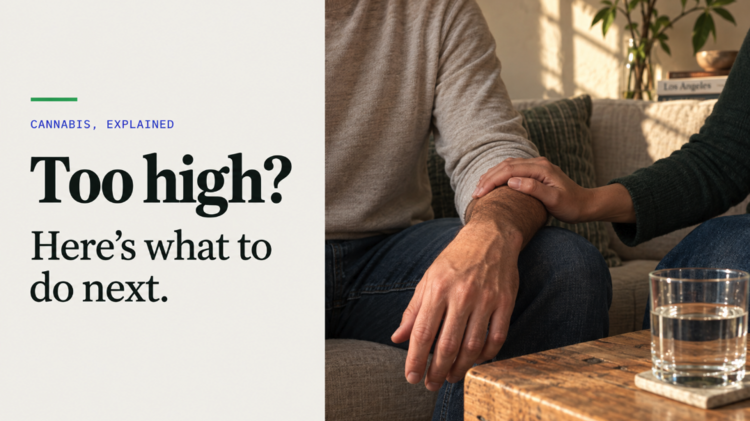
Let’s focus on the next useful step. If you’re reading this for a friend, you can help by staying calm and getting the right support.